


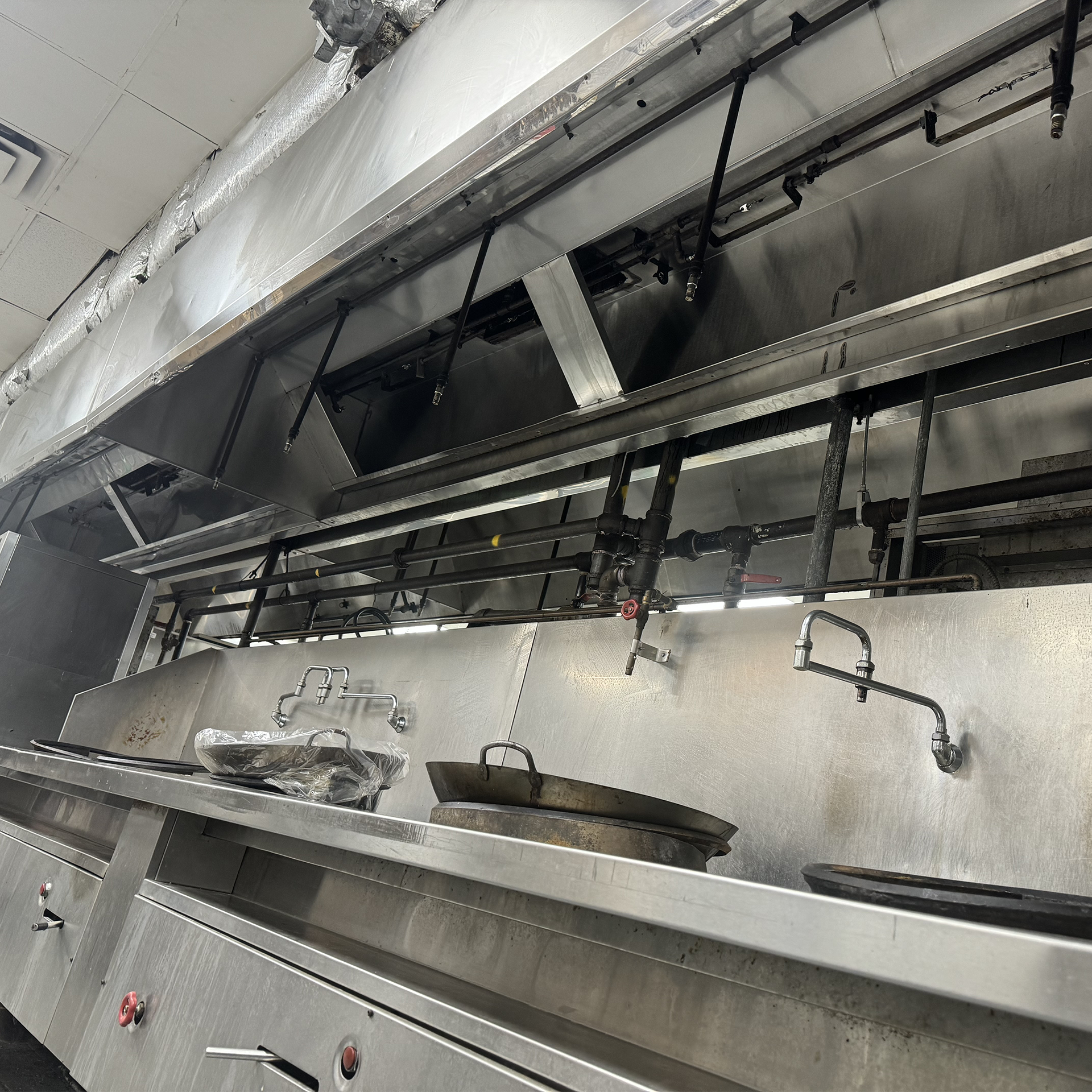
Commercial kitchen hood cleaning is the removal of grease, oil residue, and airborne cooking byproducts from the entire exhaust path: the hood canopy, the grease filters, the ductwork behind and above the hood, and the rooftop or wall-mounted exhaust fan at the end of that run.
It’s a different job from wiping down a hood’s visible surface. Ductwork and rooftop fans are usually out of daily view, but they collect grease at the same rate as the hood itself, and a general janitorial service typically can’t access or clean them.
Grease that collects inside a hood, duct, or fan is combustible. NFPA 96, the standard referenced across North America for ventilation control in commercial cooking operations, exists because grease-fed duct fires spread quickly once they reach ductwork running through walls, ceilings, or a roof.
In Ontario, fire departments and the Ontario Fire Code look at the condition of a kitchen’s exhaust system during inspections, and many commercial kitchen insurance policies require proof of a recent professional cleaning as a condition of coverage after a fire. Specific inspection intervals and insurer requirements vary by municipality, occupancy classification, and policy
Hood Cleaning Masters cleans commercial kitchen exhaust systems — hoods, filters, ductwork, and rooftop fans — for restaurants, hotels, quick-service kitchens, and institutional kitchens across the Greater Toronto Area and surrounding Ontario communities. The company is based in Concord, Ontario.
It has served commercial kitchens for 12 years , working with cooking lines ranging from single-hood restaurants to multi-location operations. Every job includes a written service report with before-and-after photos and documentation the operator can keep on file for a fire inspection or insurance review.


About Us
Hood Cleaning Masters provides commercial hood, exhaust, and roof fan cleaning services across Ontario. We specialize in exhaust hood cleaning, hood vent cleaning, roof fan cleaning, and commercial kitchen equipment cleaning, helping keep your kitchen safe, compliant, and inspection-ready.
With 12 years of industry experience, our team delivers reliable, affordable hood cleaning services for restaurants, hotels, food courts, and commercial kitchens of all sizes.
We proudly provide professional hood cleaning services in:
Toronto, Concord, Vaughan, Woodbridge, Richmond Hill, North York, Scarborough, Mississauga, Aurora, Pickering, Oshawa, Hamilton, Barrie, Bradford, Innisfil, Whitby, Cobourg, King City, Orangeville, Peterborough, and nearby areas across Ontario.
Grease buildup in commercial exhaust systems is one of the leading causes of kitchen fires. Our goal is to help businesses reduce fire risk, pass inspections, and extend the lifespan of their exhaust hood systems.
Every service is completed by trained and insured professionals using industry-approved methods. After each hood cleaning service, we provide:
✔ NFPA 96 Compliance Sticker
✔ NFPA 96 Cleaning Certificate
✔ Inspection-Ready Documentation

Exhaust systems collect dust, grease, and other residue over time. Regular hood vent cleaning removes that buildup and reduces fire risk.
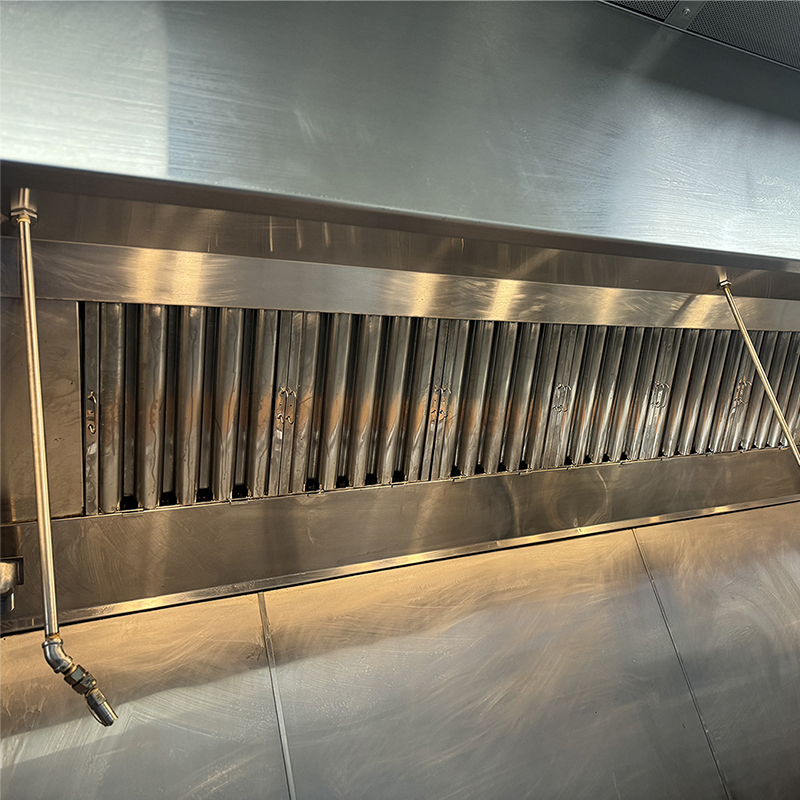
Full cleaning of the hood canopy, filters, and surrounding surfaces to keep your exhaust system running safely and ready for inspection.
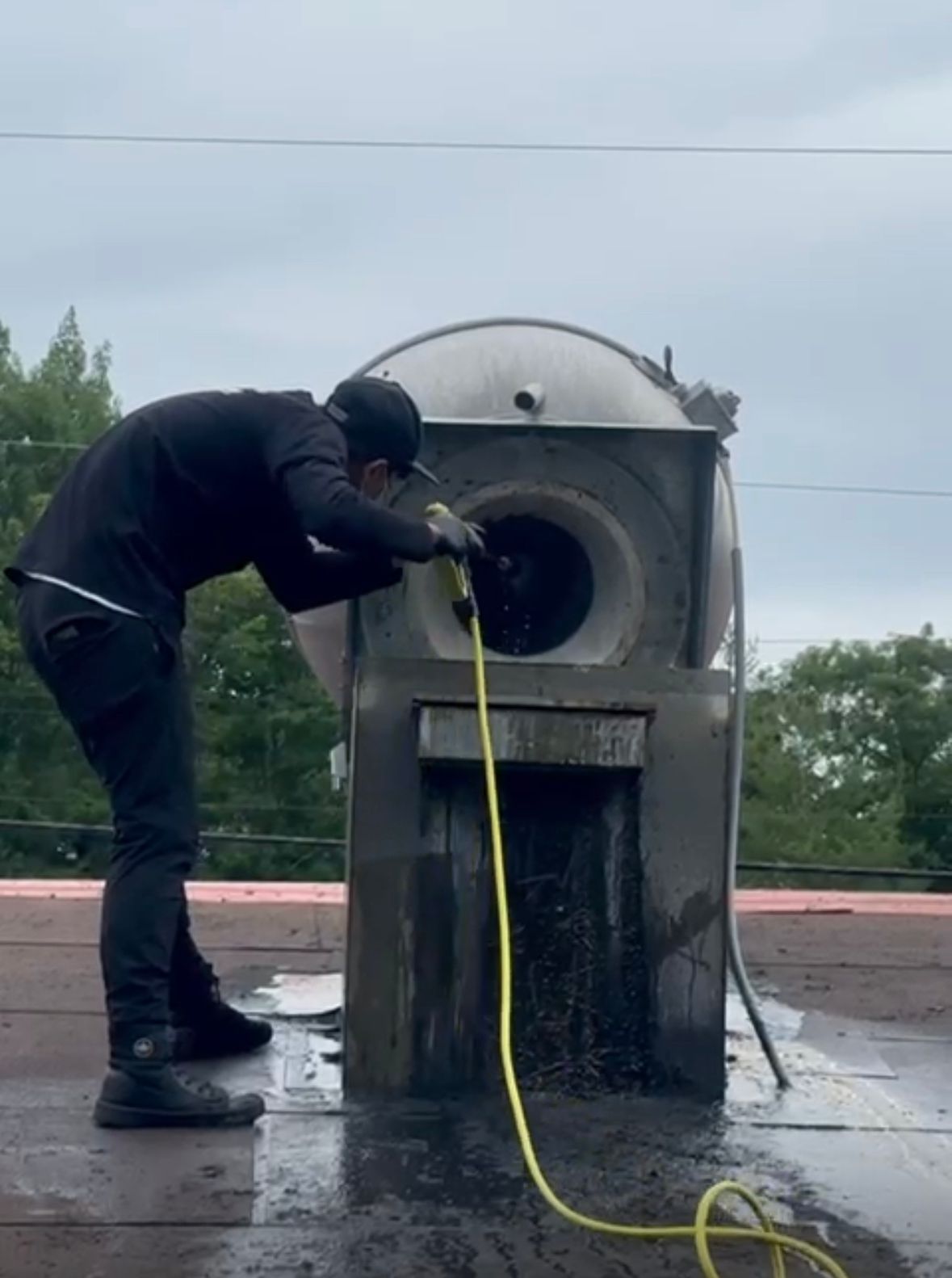
Rooftop exhaust fans used in commercial kitchens collect dust and grease over time, which restricts airflow and puts extra strain on the system. Regular cleaning keeps air moving properly.
Cleaning performed in accordance with NFPA 96, the fire safety standard for ventilation control in commercial kitchens — with documentation you can keep on file for inspections.

Our Process
A phone consultation covers the kitchen's cooking volume and hood layout, followed by photos or an on-site inspection to check filter type, duct access points, and rooftop fan condition. This determines both the cleaning plan and how often the kitchen should realistically be booked.
Jobs are scheduled around kitchen hours — typically before opening or after close — to avoid disrupting service. Kitchens on a recurring plan are scheduled in advance so cleanings don't get missed.
Our trained technicians provide service as per NFPA 96 guidelines to clean your kitchen hood, filters, ductwork, and exhaust fans, ensuring every component is free of grease and contaminants. After cleaning, we conduct a thorough inspection to ensure the system is functioning optimally and adheres to safety standards NFPA rules.
We provide a detailed Job service report of the services performed, including before-and-after photos and Health & safety certificate of compliance, which is essential for inspections and insurance.
Why Choose Us
Every job is completed by trained, insured professionals.
across restaurant, hotel, and quick-service kitchen types.
After each service, the kitchen operator receives a dated service report with before-and-after photos and a compliance record describing the work performed, including an NFPA 96 compliance sticker and cleaning certificate for kitchens that need inspection-ready documentation.
Our teams are friendly, professional and cooperative at work.
Testimonials
Team is cooperative and friendly. I asked them to clean my one of the sink. They did that as well. but i thought the job will take 1 hour. but they took 3 hours and i was not ready for that. but overall i was 100% satisfied with their work. next time i will keep the whole process of time in my mind and definitely call you again. Thanks

I was in urgent need of service because I needed to open my restaurant in two days and just had the hood inspection left. I was surprised that they arranged next-day service upon my request, and at an affordable rate. Thanks to Hood Cleaning Master for saving my time – they will definitely be my go-to hood cleaning company from now on!

Yes — an uncleaned exhaust hood is a fire code violation, and fire inspectors can issue orders, fines, or in serious cases close a kitchen down until the system is professionally cleaned and documented. Grease buildup in the hood and ductwork is one of the leading causes of commercial kitchen fires, which is why fire marshals check for a current NFPA 96 compliance sticker and cleaning certificate during routine inspections.
Insurers can deny or reduce a fire damage claim if they find the exhaust system wasn't cleaned to NFPA 96 intervals, especially if the fire started in grease-laden ductwork. Most commercial kitchen insurance policies in Ontario require proof of regular professional cleaning as a condition of coverage — a dated inspection report and certificate matter as much as the cleaning itself.
Visible grease dripping from the hood or filters, a burnt or greasy smell when equipment is running, weak suction over the cooking line, and grease residue on nearby walls or ceiling tiles are all signs the system is overdue. Any of these can mean the ductwork or rooftop fan is already coated enough to be a fire risk, even if the hood exterior still looks clean.
No — Ontario fire inspectors specifically look for a current, dated cleaning certificate and compliance documentation, not just a visually clean hood. Self-cleaning or a general janitorial service cleaning the hood exterior doesn't produce the inspection-ready paperwork (before/after photos, NFPA 96 certificate) that fire marshals and insurers require.
No — a fire suppression system is a backup in case a fire starts, not a substitute for removing the grease that fuels one. NFPA 96 requires both: a properly maintained suppression system and a regular cleaning schedule that keeps grease from accumulating in the hood and ducts in the first place.
It depends on cooking volume, not a single fixed schedule: NFPA 96 sets shorter intervals for high-volume kitchens (24-hour operations, solid-fuel cooking, wok stations) and longer intervals for lower-volume kitchens. A high-volume kitchen can build up hazardous grease levels within weeks, while a lower-volume kitchen may stay safe for a few months — which is why a proper assessment matters more than guessing a date.